
How Long Will My Water Heater Last? A Plano Timeline
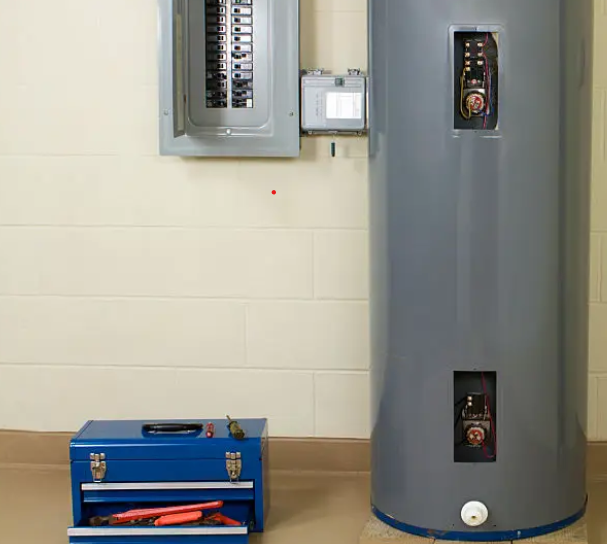
Instead of a single average, here's a rough timeline of what typically happens to a water heater sitting in a Plano garage or attic over its working life — and where you can intervene.
Year 0–1: installed and forgotten
A new tank or tankless unit is quiet and reliable, and most homeowners don't think about it again until something changes. That's also the best window to note the install date somewhere you'll remember — a phone photo of the rating plate saves a guessing game later.
Year 2–3: the anode rod starts doing its job
The sacrificial anode rod is quietly corroding instead of the tank's steel. This is a good point to have it checked, especially in a softened-water home, where softening can consume the anode faster.
Year 3–6: sediment starts building
Plano is served by the North Texas Municipal Water District, blended with City of Dallas supply, landing in the moderately hard range — roughly 7 to 11 grains per gallon depending on blend and season. Every heating cycle leaves a little calcium and magnesium behind on the tank floor. An annual flush during these years keeps that layer from hardening into something a drain valve can no longer clear.
Year 5–7: attic and garage stress accumulates
Most Plano installations sit in an attic or an unheated garage. Attic temperatures above 130°F in July are hard on gaskets and expansion tanks; a hard freeze like February 2021 hits the opposite extreme, threatening exposed supply lines and relief-valve discharge piping. Neither event alone typically kills a unit, but the repeated swings add up over these middle years — which is why insulation and freeze protection on exposed lines pay for themselves.
Year 8–10: the first real warning signs
- Rumbling or popping while heating (sediment)
- Rusty hot water with clear cold water
- Slower recovery or hot water running out sooner than it used to
- A creeping utility bill from Atmos Energy or Oncor with no change in habits
Any one of these on its own is often a fair repair. Two or more together at this age is when planning ahead starts to make more sense than reacting.
Year 10–12: replacement window
This is where most conventional tanks in North Texas conditions reach the end of their realistic service life. Tankless units, kept on a descaling schedule, commonly reach 15–20 years; neglected in hard water, they can throttle down or fault out well ahead of schedule. A tank that fails on its own timeline tends to do it without warning and often on a Saturday. Planning the swap in year 11 or 12, before that happens, means you get to choose the equipment and schedule the work instead of reacting to a flooded garage.
What actually moves these numbers
| Habit | Effect |
|---|---|
| Annual flush | Removes sediment before it hardens |
| Anode check around year 3 | Extends tank life significantly if replaced when depleted |
| Annual tankless descaling | Separates a 20-year unit from one that faults out at 9 |
| Verified expansion tank & pressure | Protects the shell and relief valve from daily pressure spikes |
| 120°F setpoint | Balances usability with slower scale formation |
Not sure where your unit sits on this timeline? Send a photo of the rating plate through our free quote form and we'll tell you straight whether it's a maintenance year, a repair, or time to plan ahead.
More From the Blog
Get a Free Water Heater Quote
Describe your water heater situation and we will send you a quote with no obligation.
Get Your Free Water Heater Quote
Tell us what you need and we will call you back — no cost, no commitment.