
Water Heater Installation in Plano, TX
A new water heater is only as good as the connections around it. In a Plano home, that usually means an attic or closet install with a drain pan, an Atmos Energy gas line or an Oncor-fed circuit, and a permit pulled with the City of Plano. Here's what a solid install actually involves.
Get Your Free Water Heater Quote
Tell us what you need and we will call you back — no cost, no commitment.
Swap-Out vs. Ground-Up Install
Most jobs in neighborhoods like Willow Bend, Deerfield or Old Towne are swap-outs: same location, same fuel, existing lines reused where they still pass code. These go quickly because the water, gas or wiring path is already there.
A from-scratch install — a converted garage, a new secondary suite, a second unit added for a distant bathroom — needs new supply piping, a new relief-valve drain route, and new venting or wiring. Expect more labor hours and more planning up front.
Just replacing what's already there? Start at water heater replacement for the decision-making side of this.
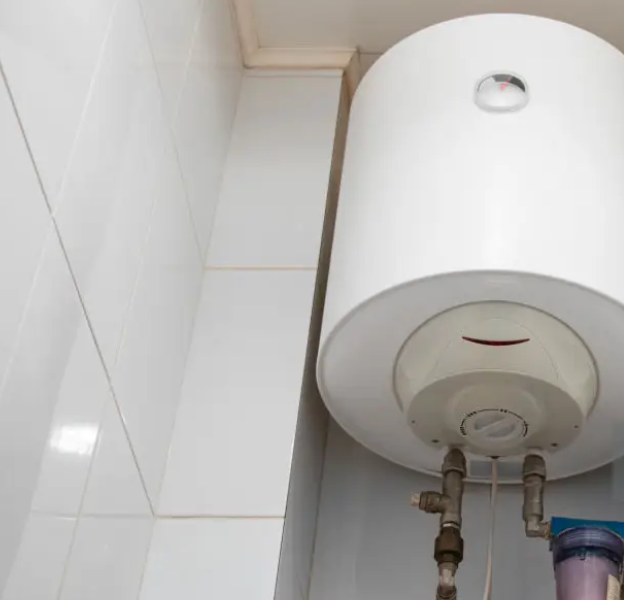
Matching the Install to the Equipment
| System | What the install adds | Where it goes wrong |
|---|---|---|
| Tank (gas or electric) | Flex or hard-piped connections, a drain pan piped away from ceilings below | Skipping the pan on an attic unit over finished rooms |
| Tankless | Stainless or PVC venting, condensate neutralizer, isolation valves for descaling | Undersized gas line for peak burner draw |
| Heat pump electric | Dedicated circuit, condensate drain, room to breathe | Cramming it into a small closet with no air volume |
Full detail by fuel type: tankless water heaters, gas water heaters, electric water heaters.
Getting the Size Right the First Time
Two houses on the same cul-de-sac can need different equipment. What to walk through with an installer:
- How many bathrooms run hot water at once, especially during the morning rush
- Whether anyone in the house has ever run out mid-shower
- Soaking tubs, rain shower heads or other high-draw fixtures
- Incoming water temperature — colder in winter, which matters more for tankless GPM ratings
Square footage tells an installer almost nothing useful; household habits tell them everything.
What Keeps an Install Code-Compliant
Checklist items a Plano inspector will look for:
- Relief valve discharge pipe routed correctly, never capped or reduced
- Expansion tank where a pressure-reducing valve or backflow preventer creates a closed system
- Proper venting and combustion air on any gas-fired unit
- Dielectric fittings wherever copper meets steel
- Drain pan with a piped drain, essential for attic units above living space
- City of Plano permit and inspection, pulled before the work starts
These are the same details a buyer's inspector checks before closing — worth getting right the first time.
Other Water Heater Services
Tankless Water Heaters
On-demand sizing and conversion requirements.
Gas Water Heaters
Atmos Energy supply and venting details.
Electric Water Heaters
Oncor circuit sizing and heat pump models.
Commercial Water Heater Installation
Capacity and redundancy planning for businesses.
Neighborhoods Around Plano We Reach
We route installation requests to professionals serving Plano and these nearby Collin County communities.
Questions Plano Homeowners Ask Us
How long does a typical install take in a Plano home?
A straight tank swap generally runs two to four hours. Attic installs, tankless conversions, or moving the unit to a new spot often take a half day to a full day once venting, gas or wiring enter the picture.
Can the new unit go in a different location than the old one?
Yes, though it adds scope — extending supply lines, running a new relief-valve drain path, and rerouting venting or circuits. Your quote will reflect the extra work.
Do I need an expansion tank in a Collin County home?
If a pressure-reducing valve or backflow preventer sits on your service line, your plumbing is a closed system and needs somewhere for thermal expansion to go — commonly an expansion tank.
What should the thermostat be set to after install?
120°F is a common starting point, balancing everyday use against scald risk and standby losses.
Does the City of Plano require a permit for water heater installation?
Yes, typically a permit and inspection apply. Confirm with your installer, who should handle the paperwork and scheduling.
Is a DIY install a good idea?
Gas connections, venting and electrical circuits carry real code and safety stakes, and DIY work can void a manufacturer's warranty. This is a job best left to a licensed pro.
Tell Us What's Going On
A short description of your home and your current unit is enough to get a no-obligation quote started.
Not sure what's wrong? Pick Not Sure on the form below and describe the symptoms as best you can — plenty of homeowners are troubleshooting a water heater for the first time.
Get Your Free Water Heater Quote
Tell us what you need and we will call you back — no cost, no commitment.